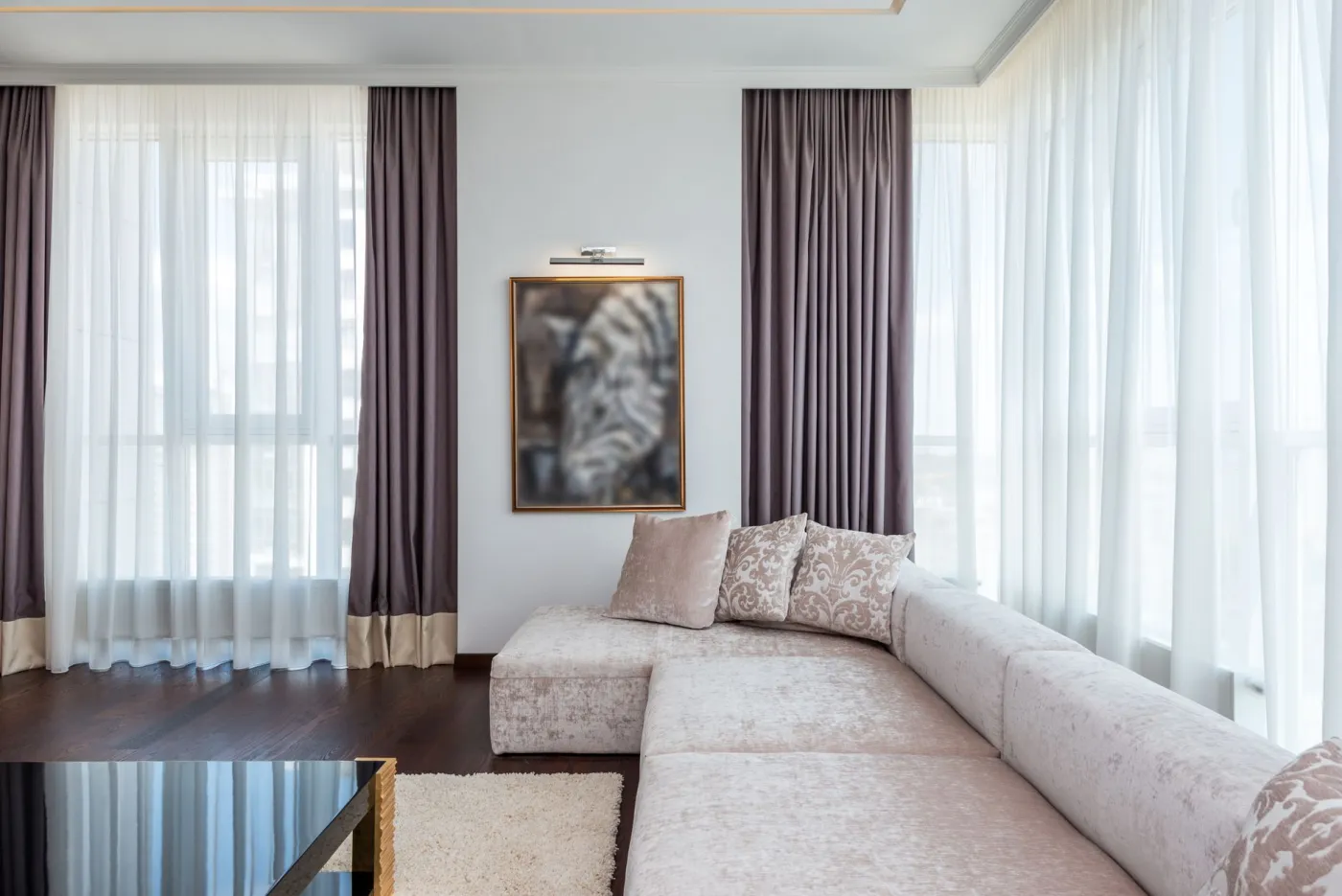
The sun that fades a curtain is the same sun that fades the sofa, the rug and a timber floor. The curtain fading guide is about the cloth. This page is about everything the light lands on after it passes the glass. If you are still sorting a hot room from a bright screen from a pale patch, start with heat, glare or fading.
What actually slows the fading
Window film is the layer that stays on the glass all day, including when the curtains are open. The page states it plainly: film reduces the UV that fades sofas, timber floors and curtain fabric. Heat-reduction film also cuts glare. It does not black out the room, and a one-way film stops giving privacy after dark. For a west-facing room, that page suggests heat-reduction film plus a sunscreen roller or a lined curtain for the worst hours.
A lined curtain or a dim-out layer, drawn when the sun is on the furniture, blocks the light that film only reduces. Day and night curtains let you keep a sheer for the morning and draw the heavier cloth in the afternoon. A sheer on its own softens the view and does not stop fading. People leave it closed and still watch the sofa pale.
A blind in the recess covers the glass more evenly than a curtain that is only half drawn. A sunscreen roller cuts glare while you can still see out. A blackout roller or blackout curtain is for sleep, and it also stops the light reaching the floor while it is down. Whether blackout curtains keep heat out is the heat question. Fading is the UV question. Film addresses UV with the glass uncovered. Cloth addresses it when you are willing to draw it.
What we will not promise
We do not publish a percentage of UV blocked, because it depends on the film and the glass, and our film page quotes after a measure rather than printing a rate. We also cannot restore a faded sofa or a bleached floor. The curtain fading guide says the same about cloth: faded fibre stays faded. Move the sofa off the patch if you can, and cover the glass before the next year of afternoons.
Dark curtains are not a cooling product by themselves. If the room overheats, start with film and with closing the sun-facing layer, not with a darker dye.
A practical order
- Note which window, and whether the mark on the floor matches the afternoon. The sun and glare checker shows the direction through the year.
- If you want the glass uncovered most of the day, ask about film.
- If you can draw a layer for those hours, add a lined curtain or a roller.
- Do both when the glass is large and west-facing. Film for the hours the curtain is open. Cloth for the peak.
Prices for curtains are in the curtain price guide. Film is quoted from photos and sizes, as that page says. WhatsApp +66 64 528 5763.
Common questions
Will a sheer curtain protect the sofa?
It softens light. It does not stop fading. Use film, a lined curtain, or a blind if the sofa sits in the sun.
Is window film enough on its own?
It reduces UV while the curtains are open. A west-facing room still benefits from a curtain or blind during the strongest hours. The film page says that.
Will blackout curtains stop the floor fading?
While they are drawn, yes, they stop light through the fabric. Gaps at the sides still leave a stripe. They do nothing for fading during the hours they are stacked open. Film covers those hours.
Can you treat one window and leave the rest?
Yes. Fading follows the glass that gets direct sun. We do not need to dress every room to deal with one sofa.
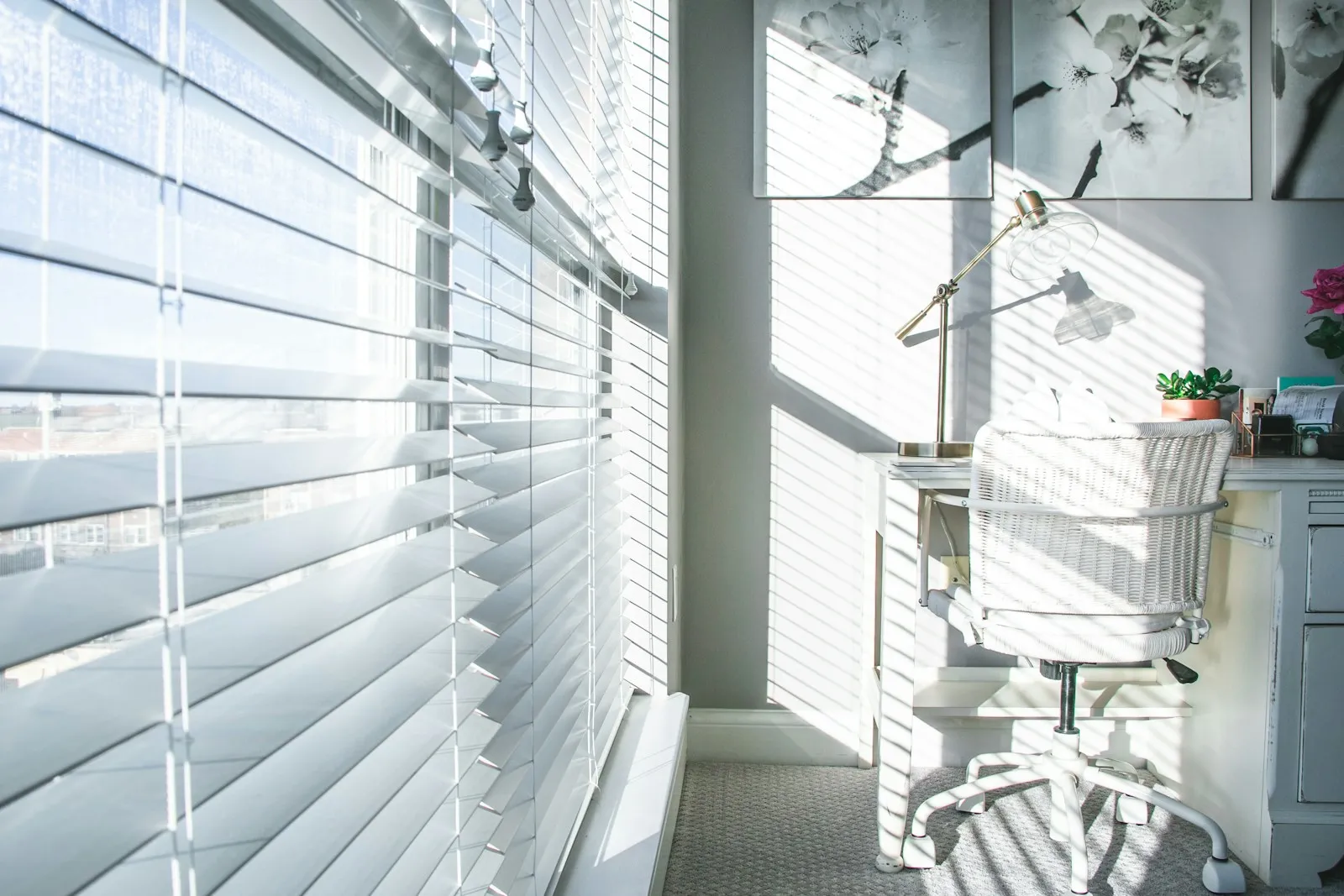 Heat, Glare or Fading: Which Window Problem Do You Have?
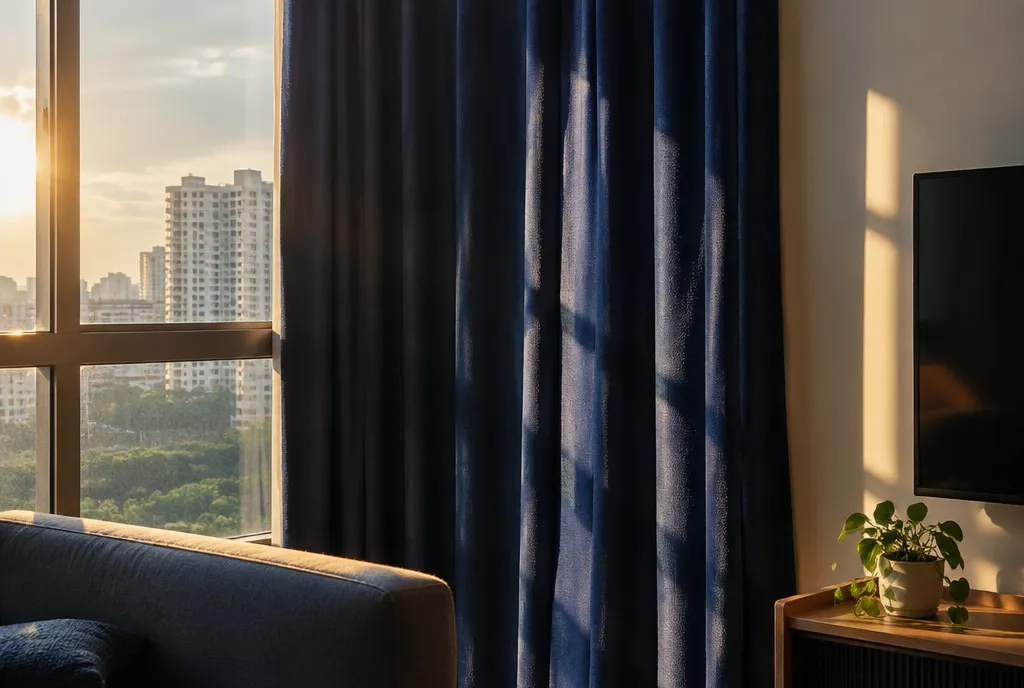 How to Stop Curtains Fading in the Sun
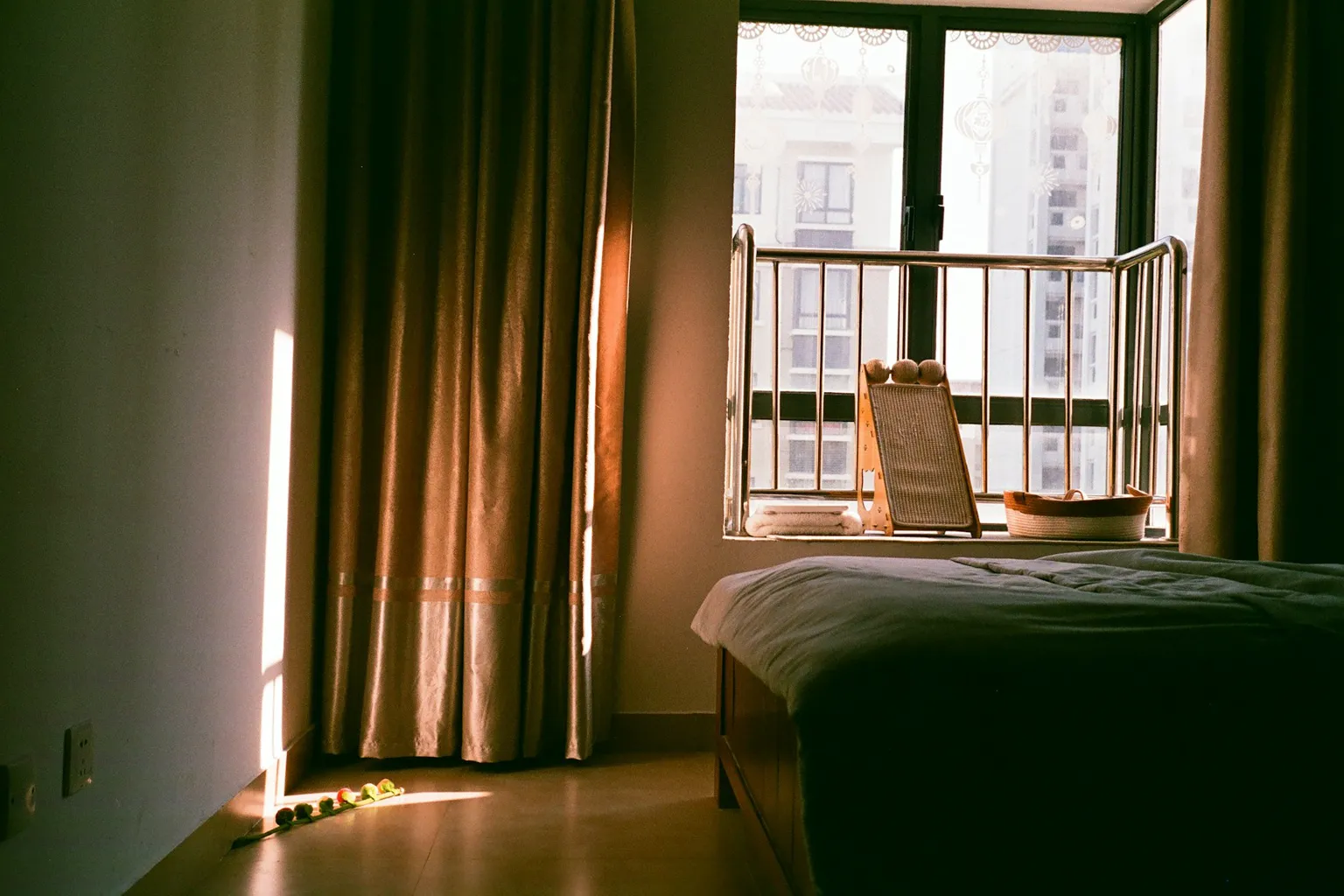 Do Blackout Curtains Keep Heat Out in Singapore?