Curtains and blinds get used every day, and the hardware takes the strain. Rods bend, tracks stick, gliders snap, slats crack and blinds clatter against the window when the wind picks up. Most of these faults have simple causes, and many can be fixed at home in under an hour. This guide covers the common ones, step by step, and when it makes more sense to call someone.
Before working on anything above head height, use a stable step ladder, and have someone hold it if you can.
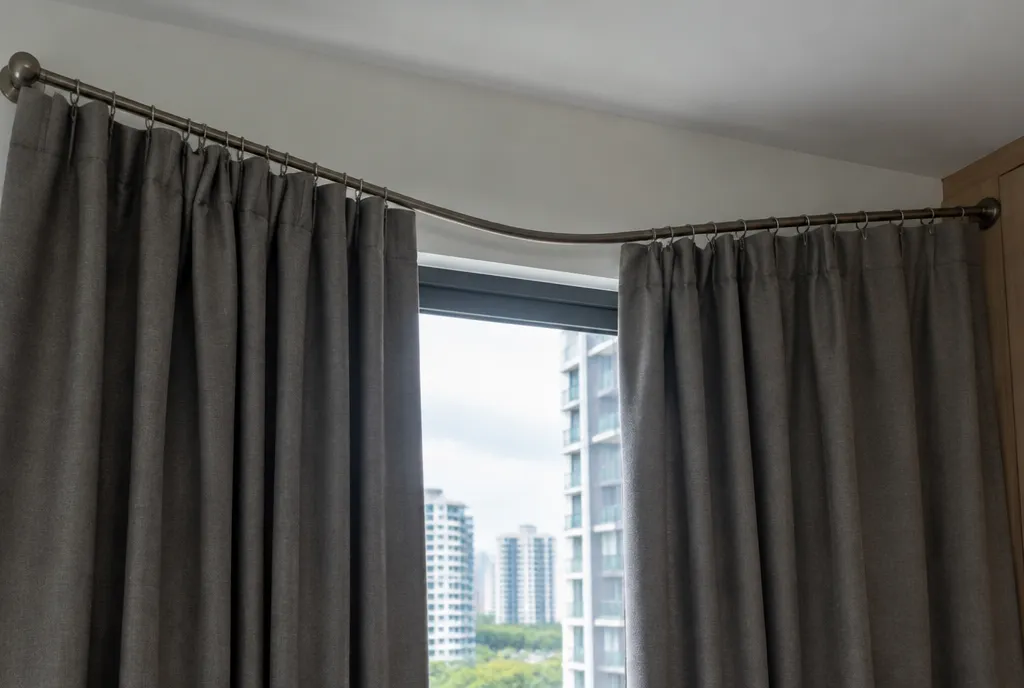
Curtain rod sagging in the middle
A rod bends in the middle when the span between brackets is too long for the weight of the curtains. It is common with heavy blackout or lined curtains on a wide living room window.
- Take the curtains off and check whether the rod is bent or just tilting. A rod that springs back straight is fine; a permanently bent one needs replacing.
- Add a centre bracket. Most rod systems sell a matching middle support. Fit it at the midpoint, at the same height as the end brackets. On very wide windows, add more than one. If you use rings, choose a passing bracket or C-ring so the curtain can slide past.
- Check the end brackets. If they have tilted downward, the screws may be loose in the wall. Tighten them, or refit with the right wall plugs for the wall type.
- Reduce the weight if the rod is thin. A detachable blackout lining can be lighter than a single heavy coated fabric.
- Upgrade the rod. A thicker rod or a track takes weight better over a long span. Our guide on curtain rods vs tracks compares them.
Curtain track stuck or not sliding
If the curtain drags along the whole track
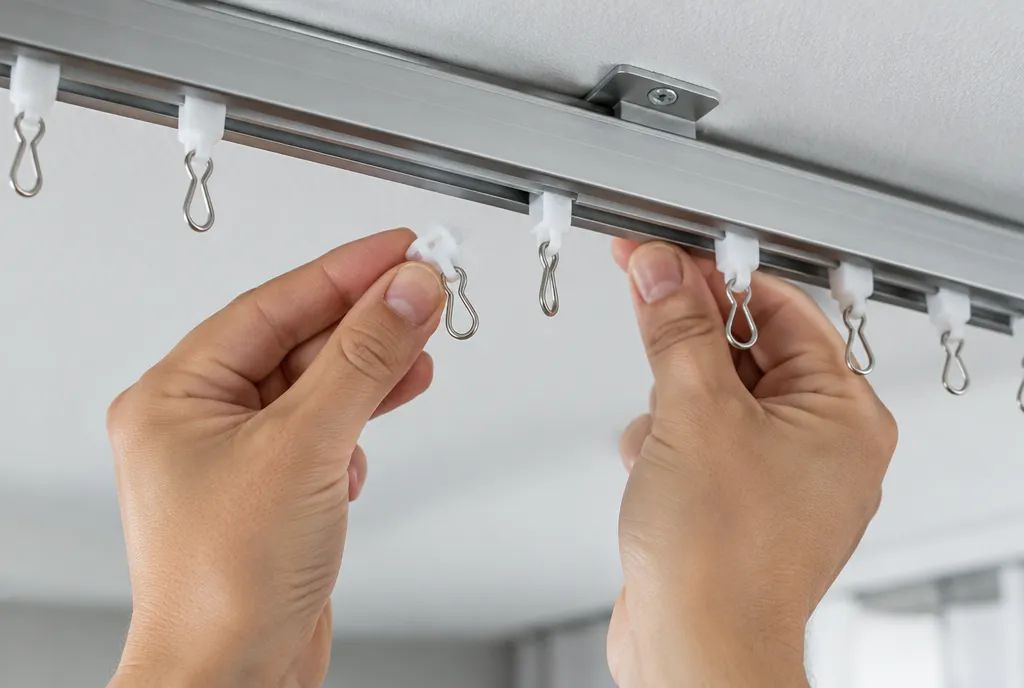
- Take the curtain off and slide a glider along the empty track. If it moves easily, the problem is the curtain: too many hooks, hooks twisted, or a heavy curtain on a light track.
- If the glider drags, clean the track channel with a dry cloth or vacuum crevice tool. Dust and grit build up over time.
- Apply a silicone spray or dry lubricant designed for tracks, sparingly. Avoid oil, which collects dust.
- Check the track is level. A track that has dropped at one bracket will make gliders run downhill and jam.
If it sticks in one spot
- Look for a broken or jammed glider, a dent in the track, or a screw head protruding into the channel.
- Replace broken gliders. Most tracks have an end stop that unscrews so gliders can be slid in or out.
- Check joins between track sections. A misaligned join catches gliders.
If the track has come away from the ceiling
This usually means the fixings have pulled out, often from a ceiling board or a hollow section. Do not keep using it. The track needs refitting with the right fixings, sometimes in a new position. Our guide on choosing a curtain track explains the types and fixings used in Singapore homes.
Broken blind slats
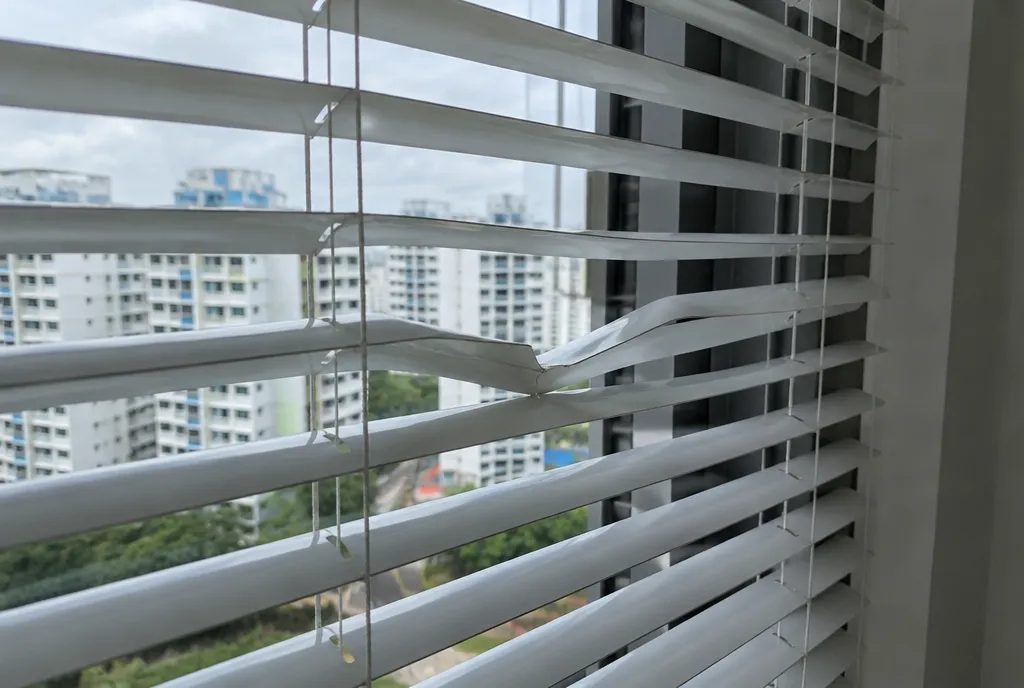
Venetian blinds
- Lower the blind fully and find the ladder strings that hold the broken slat.
- On many blinds you can remove the end cap of the bottom rail, untie or unclip the lift cord, and slide out slats down to the broken one.
- Slide in a replacement slat of the same width and material, then rethread in reverse.
- If you cannot get a matching slat, take one from the bottom of the blind; the blind will be slightly shorter.
Vertical blinds
Each vane usually clips into a carrier on the headrail. Unclip the broken vane and clip in a new one. If the carrier itself has snapped, the headrail may need repair.
Roller and combi blinds
A tear in the fabric, a roller that will not stay up, or a chain that slips usually means the fabric or the mechanism needs replacing rather than a home fix.
Blinds noisy in the wind
Blinds bang and rattle when the window is open and air moves past them.
- Fit hold-down clips or brackets at the bottom rail of Venetian and roller blinds. They hold the rail against the frame.
- Use a weighted bottom rail on roller blinds.
- Tilt Venetian slats open when the window is open, so air passes through instead of pushing the blind.
- Tighten loose brackets at the head. A rattling headrail often means a screw has worked loose.
- Consider the type. In windy rooms, a blind mounted outside the recess on the frame face may swing less than one hanging loose in the opening.
When to call a professional
Call someone in when fixings have pulled out of the wall or ceiling, when the track is in a high or hard-to-reach position, when a blind mechanism has failed, or when the same problem keeps coming back. Our curtain installation service fits and replaces tracks and rods with fixings suited to your walls and ceilings. We also supply and install replacement blinds, including motorised roller blinds for large or high windows. If the curtains themselves are too heavy for the hardware, our made-to-measure curtains can be sized and lined to suit the track.
Common questions
How do I stop my curtain rod from sagging in the middle?
Add a centre support bracket at the midpoint, at the same height as the ends. On wide windows add more than one, or switch to a thicker rod or a track.
Why is my curtain track so hard to pull?
Usually dust in the channel, a broken glider, too many hooks, or a track that has dropped at one bracket. Clean it, check the gliders and make sure it is level.
Can I replace one broken blind slat?
On most Venetian and vertical blinds, yes. You need a slat or vane of the same size and material. Fabric roller and combi blinds usually cannot be patched in the same way.
How do I stop blinds banging when the window is open?
Fit hold-down clips at the bottom rail, tilt Venetian slats open, and check the head brackets are tight.
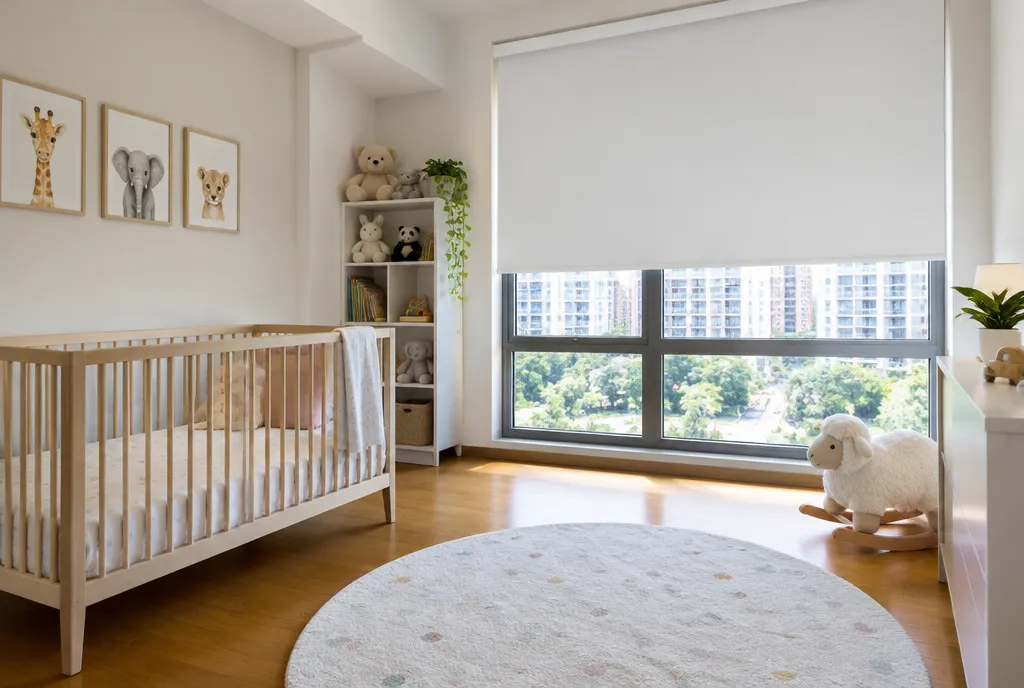 Blind Cord Safety: Making Blinds Safer for Young Children
 How to Stop Light Leaking Around Blackout Curtains
 Are Curtains Bad for Allergies? Dust Mites, Blinds and Cleaning Routines