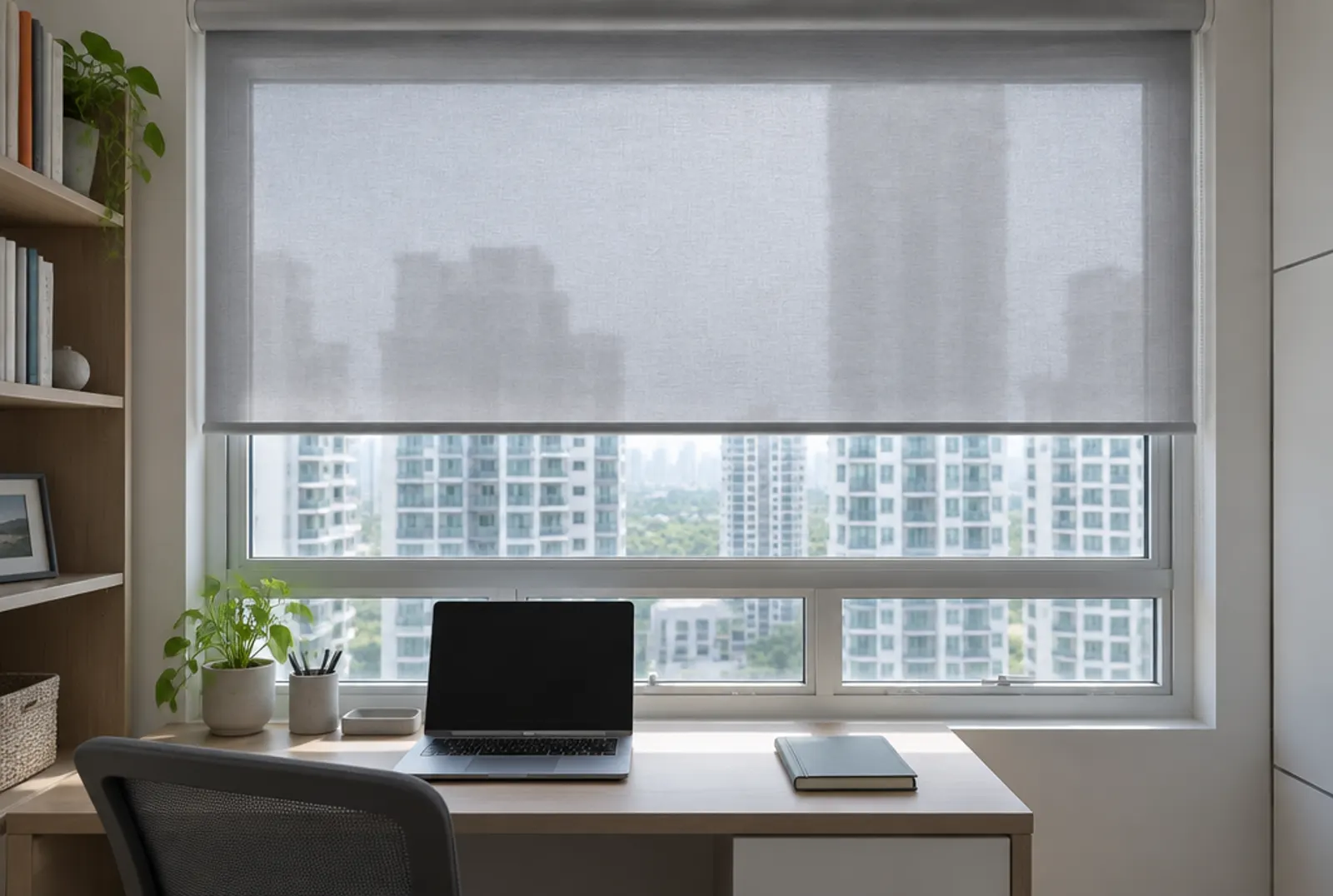
A childcare centre is not a child’s bedroom with more windows. The operator writes a specification, a licensee is audited against it, and the same blind may sit in a nap room, a play room and a room above the street. The hardware question comes first.
Parents choosing blinds for a flat should use blind cord safety and the kids’ room page. Those pages are about a home. This one is about the order a centre or its fit-out contractor sends out. Where that order sits in a building programme is in the commercial fit-out guide.
Two Early Childhood Development Agency documents set the checks below. The Guide to Setting Up an Early Childhood Development Centre, with “Updated on 11 June 2020” on its contents page, is the setup guide. The Code of Practice marked “Updated 19 Oct 2026” calls itself “this Code of Practice” when it describes what a licence-renewal audit checks. Section 5.4.4 is in the infant-care part of that Code of Practice.
Cords that children can reach
The setup guide says potentially hazardous objects or substances are not accessible to children. The list includes tripping hazards (wires, strings and cords) and any object that can cause strangulation, suffocation, choking or burns. It does not name blinds. A looped blind cord or a loose curtain cord is the item to remove from reach so the centre can meet that line.
Ask for cordless blinds, or a curtain drawn by hand or a wand, in every room children use. If a chain cannot be avoided on a tall window, the quotation should say how the loop is held so it is not accessible, and the centre should still keep cots, beds and anything climbable away from it. The home cord-safety guide explains tension devices and cleats. On a centre order, write the outcome into the schedule (“no accessible cord in occupied rooms”) so a tender cannot answer with a standard looped chain.
Section 5.4.4 of the Code of Practice is about infant naptime, not every classroom. During naptime the sleeping area is to be safe and conducive for infants’ sleep, and cots and mattresses should not be placed near curtain cords. The same paragraph says cots are free of objects that can increase the risk of entrapment, suffocation or strangulation. A cord that hangs beside the cot fails that placement line even if the blind itself is a normal commercial product. Specify the cot layout and the window together.
How dark the nap room needs to be
The Code of Practice requires periods for naptime according to each infant’s needs, and a sleeping area that is safe and conducive. It does not say blackout, dim-out, or a lux level. Darkness is the operator’s specification, not a sentence we found in these two documents.
Write it anyway, because a supplier cannot guess it. A room that must go dim for a midday nap is a different cloth from a play room that should stay bright. Blackout and dim-out is the difference. State which rooms need which, and state that the darker cloth still has no accessible cord. A blackout roller with a free chain has solved the light and failed the cot rule.
Ask whether the blind can be lowered without a staff member climbing, and whether it can stay down for the nap and up again for the next activity. A motor needs power planned before the ceiling closes. That timing is the fit-out guide. We are not quoting a lead time here.
Windows above the ground floor
The setup guide says centres situated above the ground level have secured windows or window grilles, and that keys for the window and the grilles are kept out of children’s reach but are easily accessible to staff.
The Code of Practice, at 5.1.3, says areas, facilities and equipment that may pose safety risks must be secured and rendered inaccessible to children and infants, including window grilles if there is a fall risk. At 5.1.5, keys for the window or window grilles must be kept out of children’s and infants’ reach, but accessible to all staff.
A blind does not replace a grille. Ask where the blind sits relative to the grille or the restrictor, and whether fitting it means drilling through the frame that keeps the window secured. Keys and winding wands should end up where staff can reach them and children cannot. If the centre is on the ground floor, the “above ground level” line in the setup guide is not the one you are meeting, but the cord lines still are.
Cloth the centre can clean
We did not find a curtain-fabric or cleaning-frequency rule in these two documents. Do not invent a wash cycle and call it an ECDA requirement.
Do specify cleanability, because a centre will soil a blind faster than a spare room. Ask the supplier what the cloth can take: a wipe with the cleaner the centre already uses, a damp cloth only, or a take-down wash. Write that into the schedule so the housekeeper’s method and the product match. A delicate face fabric in a play room will be replaced early. Polyester that wipes, or a venetian with slats that wipe, is a question to put to the supplier, not a certificate.
Say who cleans. This page is not a cleaning contract. If a blind grows mould at a wet sill, the blinds mould guide is the diagnosis. It is written for homes and the same stain is the same stain.
What to put on the schedule
One row per room type is enough: play, nap, office, pantry window if children can reach it. Each row should name the product, that cords are not accessible, how dark the room needs to be, the fixing (and the grille, if there is one), and how the cloth is cleaned. Send the centre’s storey, a photo of the window including any grille, and the nap-room layout if infants sleep there.
WhatsApp +66 64 528 5763. We will say what we can make for those windows. If a drawing shows a looped chain in a room with cots, we will flag it before anything is ordered.
Common questions
Does ECDA ban cords on preschool blinds?
The setup guide says cords, listed with other tripping hazards, and any object that can cause strangulation, are not to be accessible to children. It does not name blinds. The Code of Practice says cots and mattresses should not be placed near curtain cords during infant naptime. Specify cordless hardware, or a cord that children cannot reach, and keep cots off the window.
Do nap rooms have to be blackout?
Not in the sentences we read. The code asks for a safe, conducive sleeping area and for naptime that follows each infant. How dark that room is should be written by the operator, then ordered as blackout or dim-out with child-safe hardware.
Can a blind replace window grilles above the ground floor?
No. Centres above ground level are to have secured windows or window grilles, and the code also calls for grilles where there is a fall risk. Fit the blind so it does not defeat the grille, the restrictor or the key control.
Is this the same as blinds for a child’s bedroom?
The safety idea is the same. The page you use is not. A flat is the kids’ room guide and the home cord-safety guide. A licensed centre needs the outcome written into a specification an operator can be audited against.
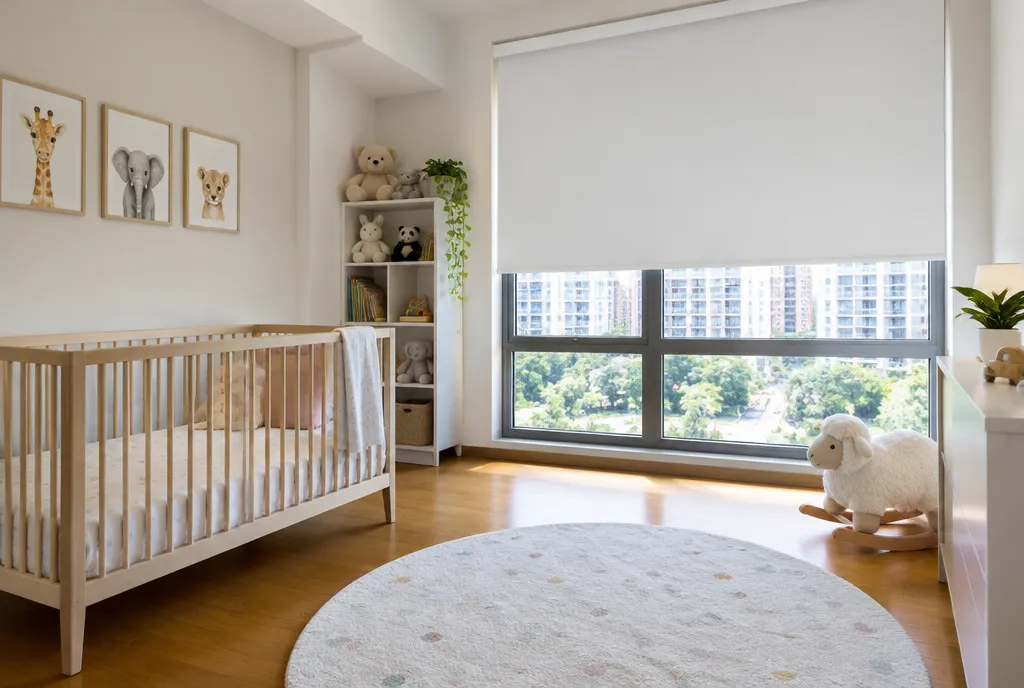 Blind Cord Safety: Making Blinds Safer for Young Children
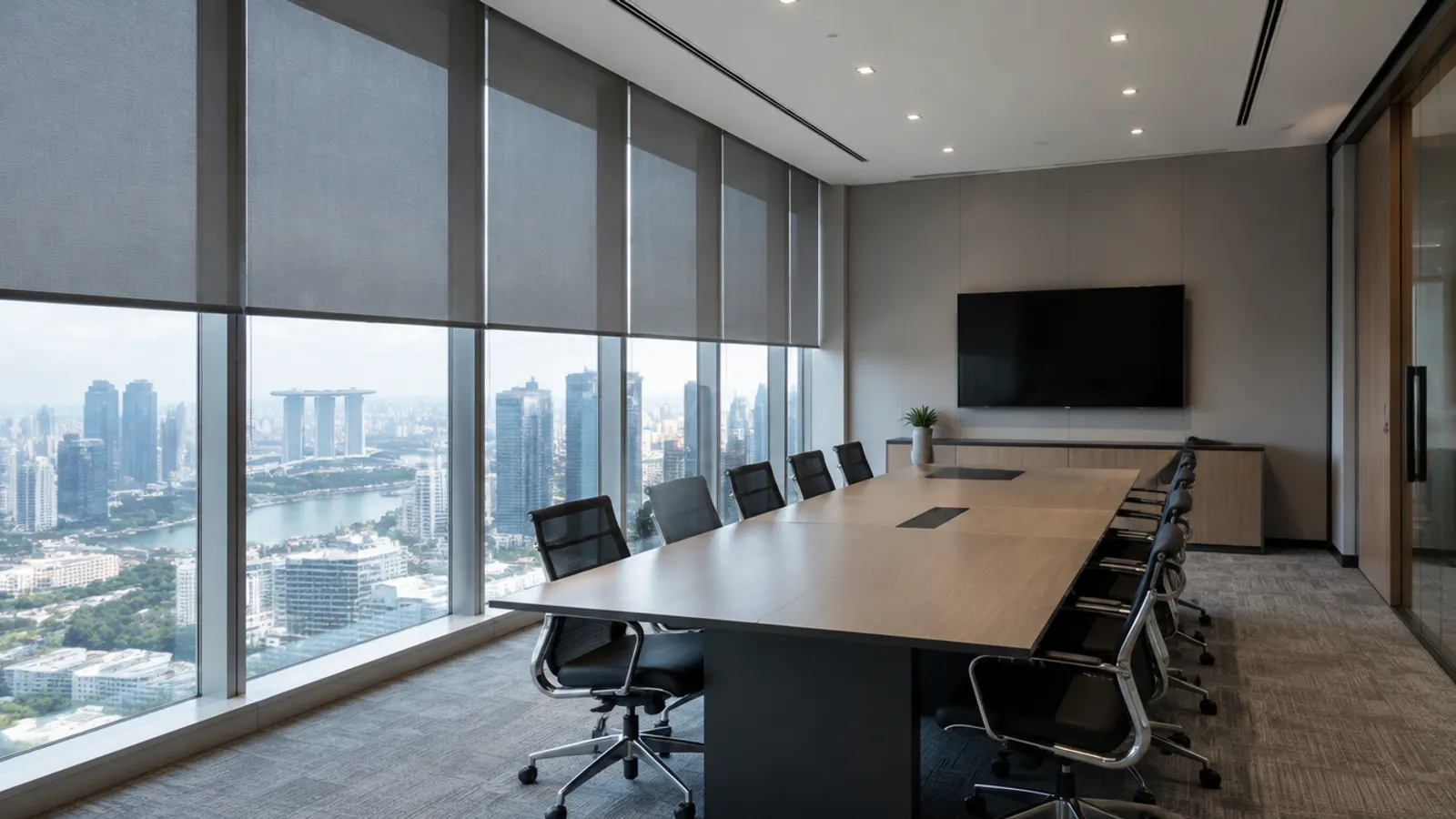 Curtains and Blinds in a Commercial Fit-Out
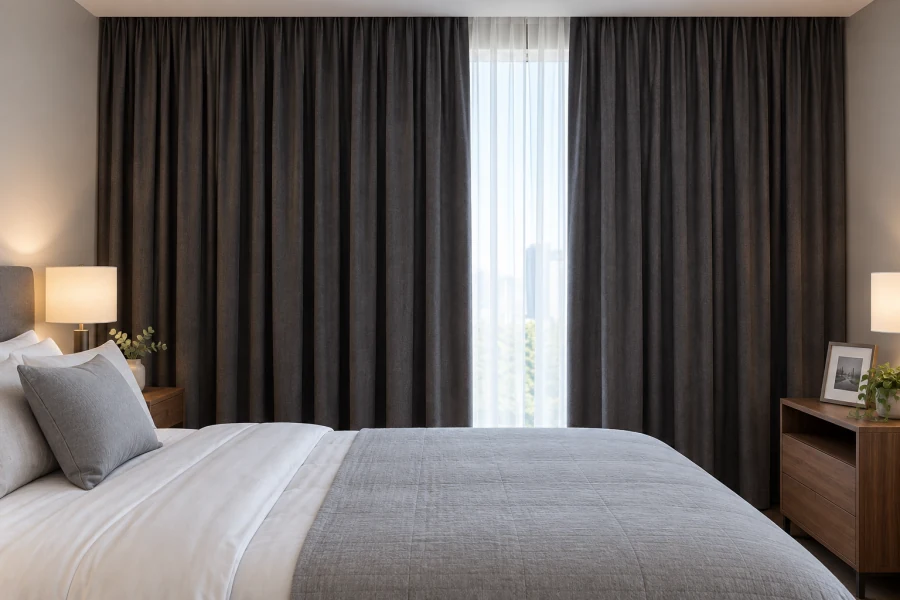 Blackout vs Dim-Out Curtains: Which Do You Need?